

In 2023, Ezioma Kalu, a writer and book influencer, made a post on X (formerly Twitter), about how she went to a bank and was disbelieved by bank officials when she stated that she is a writer by profession.
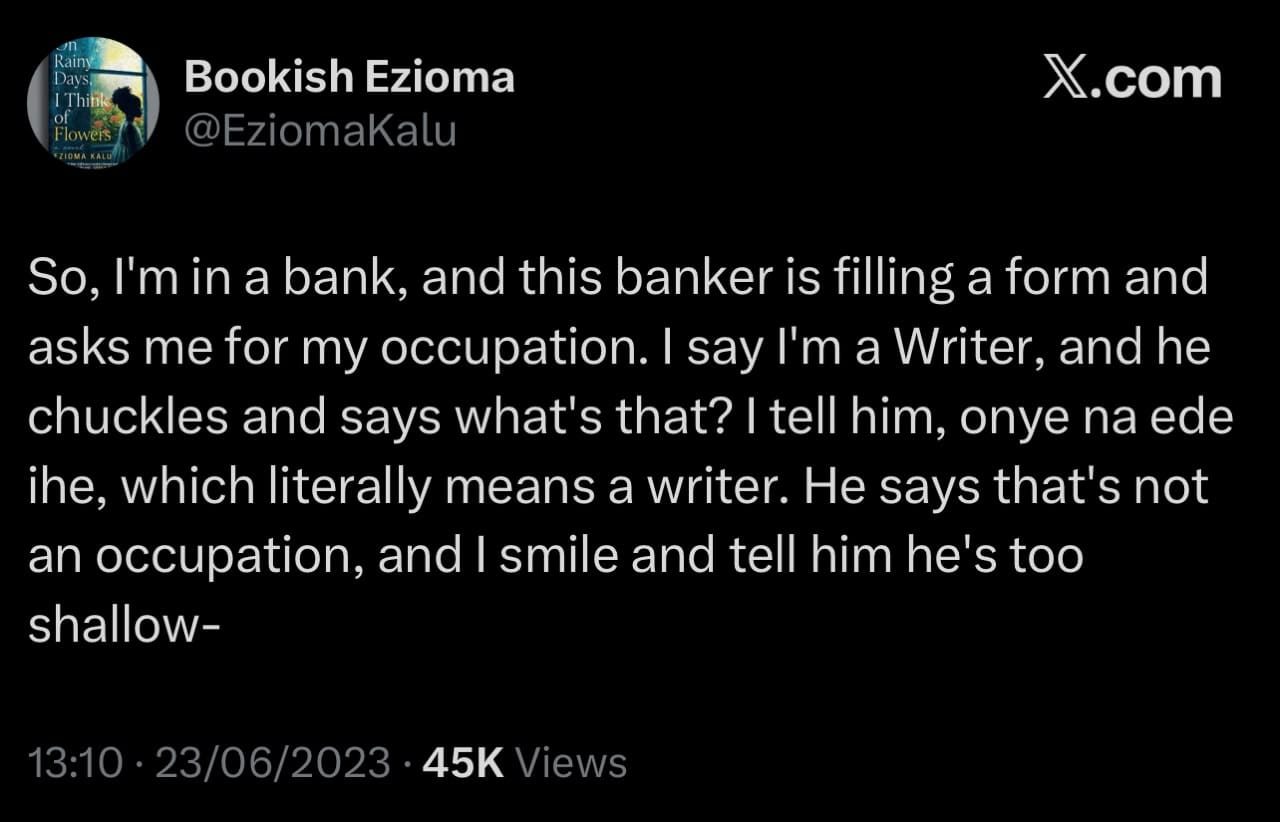
Her post drew in myriad responses from creatives across writing, video editing, photography and even fashion. They documented how creatives in Nigeria are not taken seriously and yet, are expected to render services for free or “for exposure”.
That disconnect is real. But it’s also getting expensive to ignore.
However, when one looks at the statistics and the growth of Nigeria’s creative economy, it is imperative that more light is shed on the necessity of this industry. It is also imperative that there is a proper curation of those who are using the creative scene to create more pathways for employment for younger Nigerians.
Here, the creative economy refers broadly to the businesses and industries built around cultural and creative production — from music and film to fashion, visual art, publishing, gaming and digital media.
These people exist across a wide range in film, art, media and traditional and hybrid publishing. Nigeria's creative economy has been valued at around $15 billion, a figure that was originally projected for 2025.
To put things properly into perspective, one must properly analyse the different sectors and niches that contribute to the creative landscape. When one thinks of the creative scene in Nigeria, it is often the music and entertainment industry that come to mind. While it is indeed true that music plays a significant role in Nigeria’s creative signature, other industries like arts and publishing also are fast becoming areas to watch. If not for anything, then for how they are providing legitimacy to people who want to explore non-traditional career paths.
The Numbers Are Catching Up
Music has been one of the most visible drivers of Nigeria's global creative rise. Nigerian artists now regularly chart on Billboard, sell out arenas in London and New York, and license catalogs globally.
Film followed. Nollywood is the world's second-largest film industry by volume, producing more than 2,500 films annually, and Nigerian films have built significant international audiences through streaming platforms.
But the growth in 2024-2025 has been broader. Government figures put the creative sector's current contribution to GDP at about 2.3%, with the Federal Government targeting the creation of an additional two million jobs by 2030.
The Federal Ministry of Art, Culture and Creative Economy has also been pushing initiatives like the "Creative Economy Development Fund" and skill training hubs to formalize jobs that previously lived in WhatsApp groups and IG DMs.
The point isn’t just money. It’s jobs. The sector employs an estimated 4.2 million Nigerians, according to government figures.
Ezioma’s experience at the bank points to the same problem: the economy has moved, but the institutions haven’t.
Art: From “It Won’t Pay” to Export Product
In an article published by PiggyVest, visual artist and co-founder of Bawsty Morenike Olusanya explained that book covers and illustrations had become one of her most lucrative sources of income. She recalled being approached by Penguin Random House to create a book cover for author Nicola Yoon after the publisher discovered her work on Instagram.
“Doing book covers and illustrations brings me the most money because of my price range and the calibre of people that want to create book covers with me.” - Morenike Olusanya, in an interview with PiggyVest
The project was for Yoon, whose novel Everything, Everything was adapted into a film. For Olusanya, the significance went beyond the financial reward: it was evidence that work created and shared online could lead to opportunities from major international publishers.
This is particularly important when one notes that she was once told to leave art because it will not pay. She is not the only artist who is steadily debunking the myth that being an artist does not pay. People like Jekein Lato-Unah, Chigozie Obi, Damilola Onosowobo Marcus and Anthony Azekwoh are a fraction of the many artists and designers who actively show that it is indeed possible to be a home grown successful painter and artist.
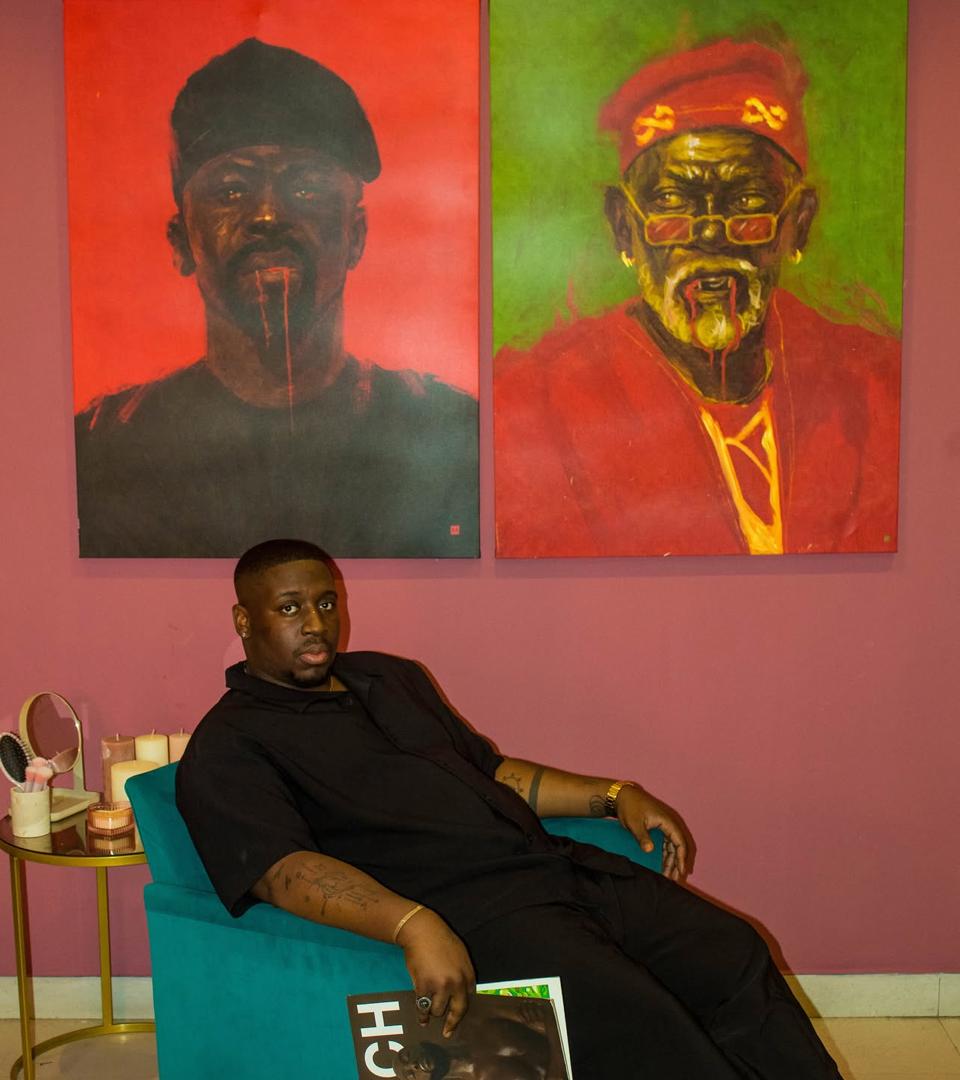
The shift is structural. Online marketplaces, Instagram shops, and art fairs like ART X Lagos have given artists direct access to buyers in Lagos, London, and Dubai without needing a gallery gatekeeper.
Jekein Lato-Unah runs The Chrysalis, a Lagos art space and mentorship program focused on emerging female artists. She has also mentored aspiring female artists through the “For Creative Girls” initiative and established the Jekein Art Fund to support young artistic talent. Chigozie Obi and Damilola Onosowobo Marcus are part of a new wave of painters whose work is being collected both locally and by the diaspora. Their studios double as classrooms. Their exhibitions double as job boards for framers, photographers, curators, and writers.
Anthony Azekwoh is another example of what this new generation of artists is building. Working across digital art, painting, sculpture and writing, his career has moved beyond the traditional boundaries of what an artist can be.
What used to be dismissed as a hobby is now a supply chain. Canvas, paint, framing, photography, PR, shipping. Each sale can activate a wider network of paid work: framing, photography, shipping, installation, PR and other services around the artist.
Publishing: Building the Infrastructure
In the beginning of this article, it was said that there is a misconception that writing does not pay. While that is up for debate, one must curate the people and platforms who are actively creating jobs for young Nigerian writers and editors.
Two of those people are Modupe Daramola and David Adeleke. Modupe Daramola is the founder of Noisy Streetss, a fast rising publishing house best known for being the publishers of Ponmo Is a Bird That Has No Place in a Cultured Culinary Sky & Other Stories, an anthology of eleven short stories set in different African countries. Modupe is a lawyer by training and has also worked as a financial advisor.
Noisy Streetss started as a magazine and has since grown to become a publishing house and advisory firm that caters to the stories more people need to see. In building Noisy Streetss, Modupe has created jobs for young people in fields like editorial, podcast production and project and literary event management. It is interesting to note that a significant part of her workforce is drawn from the younger population looking to build careers in publishing.
In discussing with her, she reiterates the importance of Nigerians being at the forefront of the literary value chain behind their stories.
“With Noisy Streetss, whenever we put out a call for submissions, we always ensure that we compensate people. Company-wise, we also frequently take on university interns, student interns and NYSC students. We started a university student initiative last year, and the goal is to get young students to look at this path and know that they can have a meaningful life here. We must do these things; otherwise, how will the literary economy grow? I have really big dreams for Nigerian and African literature, and the general creative economy. I have dreams for the entire literary and creative ecosystem to be well-funded and flourishing.” — Modupe Daramola, Founder, Noisy Streetss
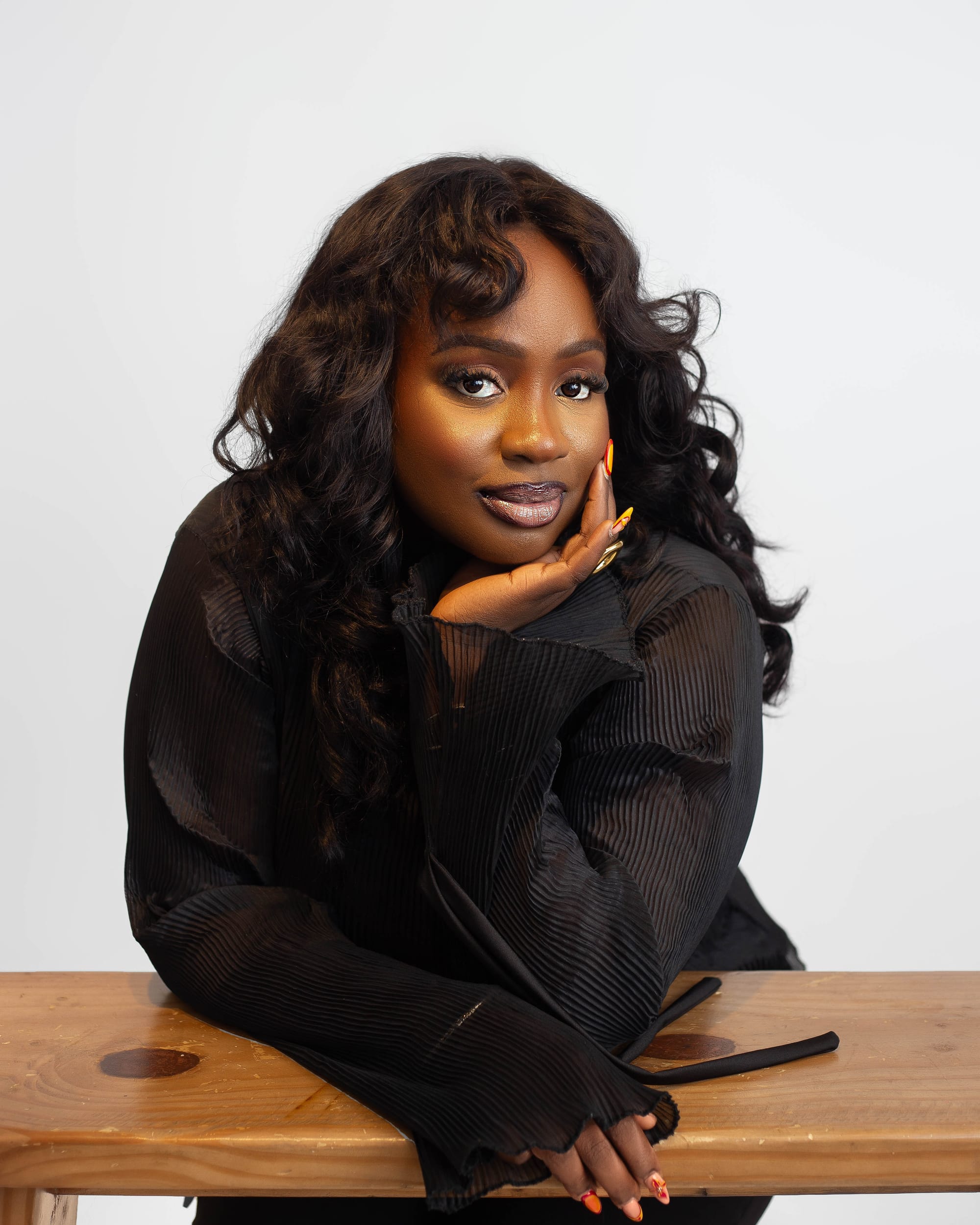
When asked about her motive for creating Noisy Streetss, and its necessity, Daramola said:
“I think it is important for companies like Noisy Streetss to exist. Before Noisy Streetss, I hadn't really found too many online publications, except Communiqué, Culture Custodian and The Republic, that allowed young writers to earn from their writing. I also wasn't super in tune with the Nigerian publishing landscape at the time because I was living in England. So I was likely out of touch with what was happening here in Nigeria.” - Modupe Daramola, Founder, Noisy Streetss
One can observe that Modupe Daramola believes in building opportunities for writers and editors in Nigeria simply because if it is not done by Nigerians, no one else will.
For many emerging writers, the path to sustainable paid publishing has historically been difficult to navigate. Today, a growing ecosystem of independent publishers and literary platforms is creating more routes into the industry.
Other players are doing similar work. Masobe Books, Cassava Republic Press, and Narrative Landscape Press are putting Nigerian fiction and nonfiction in bookstores across Africa. Platforms such as Omenana, Saraba and Agbowó have also helped create more routes into publishing for emerging African writers and artists. Omenana and Agbowó, for example, explicitly offer publication fees to contributors. Literary festivals like Ake, Akada, and Book Buzz are hiring event staff, vendors, and media teams.
David Adeleke has also been central through initiatives like Communiqué and his work in media strategy for creatives. The common thread: they’re not just making content. They’re making payroll.
And that’s what changes perception. When a 24-year-old can tell their parents “I’m an editor at a publishing house” and point to a salary, the conversation at the bank changes too.
Beyond Music and Film: The Quiet Engines
To understand why this economy will stay, look at the niches that don’t make headlines.
Fashion: Designers such as Adebayo Oke-Lawal of Orange Culture have taken Nigerian fashion into international retail and fashion institutions. Tolu Coker, whose brand has been stocked by Liberty London and was previously carried exclusively by Net-a-Porter, offers another example of Nigerian fashion moving into global retail. Weiz Dhurm Franklyn has similarly built international visibility through dressing global public figures.
Gaming and Animation: Studios like Maliyo Games and Anthill Studios are hiring developers, voice actors, and illustrators — creative roles that are still easy to overlook when we talk about what a career in the arts can look like.
Photography and Video: From music videos to brand campaigns, the demand for high-quality visual production has created a class of freelance directors and editors who now employ assistants and rent studios.
Tech for Creatives: Platforms are also making it easier for creative businesses to turn their work into income. Paystack Commerce, for example, gives African creators tools to sell products online, collect payments, manage orders and connect with customers through WhatsApp. Its wider payment infrastructure also allows businesses to get paid online, including through Instagram or without a website. That’s part of the infrastructure creatives increasingly need: not just somewhere to showcase their work, but systems that help them actually get paid.
What Needs to Happen Next
The creative economy is here. The question is whether we’ll treat it like an economy.
1. Formalise it: Banks need to recognise creative income and offer financing that works for creative businesses, including IP-backed financing. The Creative Economy Development Fund is a start, but access needs to extend beyond Abuja and Lagos.
2. Train and protect: We need more schools teaching editing, art direction, sound design, and publishing operations; not just performance. We also need contracts, royalties, and copyright enforcement that actually work.
3. Curate deliberately: We must pay attention to the people creating pathways. Not just the faces on posters, but the Modupes' building publishing houses, the Jekeins' running studios, the producers hiring 20 people for one video shoot. They are the infrastructure.
4. Export with context: The world is watching Nigerian culture. If we only export Afrobeats and leave out the essays, the paintings, the games, we sell ourselves short.
The Closing Argument
Ezioma’s bank story went viral because it felt familiar. But the replies also showed something else: a generation that has decided to build anyway.
Nigeria’s creative economy is not a side hustle. It’s valued at around $15 billion, a figure that was originally projected for 2025. It’s employing millions. It’s changing how we see work, identity, and value.
It won’t pay if we keep treating it like a favor. It will pay if we fund it, document it, and hire through it.
The artists, writers, and founders already doing that work are not waiting for permission. They’re building publishing houses in apartments, selling paintings from their phones, and training the next crew on set.
Our job now is to pay attention. And then to pay them.

